Wednesday, October 25, 2006

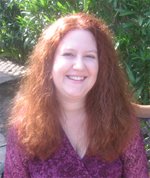
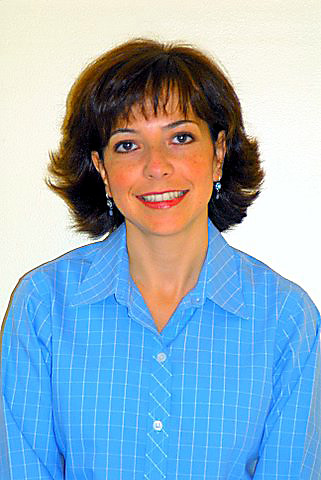
Veggie Hero: Lorena Mucke

Vegetarians and vegans come from a wide variety of backgrounds -- including Christianity. In my experience, Christian animal advocates tend to be overlooked in favor of some of the more colorful secular vegans and vegetarians. Today, let's try to bring this more into balance with a spotlight on Lorena Mucke, event coordinator and newsletter editor of the Christian Vegetarian Association. This organization strives to educate people about the distinct health, environmental, and animal-related advantages of plant-based eating through a respectful Christian lense. In addition, she runs a Humane Education Program in Atlanta, Georgia, called The Ethical Choices Program. Through this program, Lorena visits high schools and summer camps giving presentations regarding the issues surrounding modern agriculture.


Vegetarian or vegan?
Vegan

How long have you been veg*n?
Vegetarian for 13 years (with a break in the middle… long story) and vegan 1 year.

What inspired you to go veg?
It was mainly the suffering of animals and the ethical issues surrounding meat-eating coupled with my Christian faith. Later on, the health benefits and of course contributing to restore the environment helped me remain vegan.

What's your best story of trying to find veg food?
I was visiting my family in Buenos Aires (Argentina) and they asked me to call Burger King. Over there, fast food restaurants deliver to your door… just like pizza here. I called, placed their order first and then asked the lady on the phone if they had veggie burgers. She said yes so I ordered one for me. When the order arrived my “veggie burger” was a bun with a tomato slice, some lettuce and pickles! That day, for the first time I “missed” a REAL Burger King veggie burger!

How do you handle family holiday dinners?
That’s a tough one. My husband and son are vegetarian but the rest of our family is not. We’ve learned that our best tactic is to contribute to the celebration with one or more vegetarian dishes. The first few years our relatives would make negative remarks about our choice of diet but they’ve given up and let us be. We hope that our lifestyle centered around compassion and love transcend more than our words.

What's your favorite veg food?
I love Thai curry dishes. The spicier, the better! Indian dishes are my second choice.

Do you have a favorite veg book?
Not really. I love to browse through the so many great sites on-line that have veg recipes.

Tofu or tempeh?
Tofu.

What did you have for breakfast today?
I had coffee with soy milk and honey. And a wheat bagel with “tofutti” cream cheese.

Tuesday, October 24, 2006

In the News: Vegetables Help Protect the Brain

We know that eating vegetables is good for you -- and now there's even more proof!

Eating two to three servings of vegetables every day might help keep the mind sharp in old age, a study suggests today.

The new findings add to the scientific evidence suggesting that a diet packed with vegetables might shore up the memory and protect against Alzheimer's.

To read the entire USA Today story, click here.

Thursday, October 19, 2006

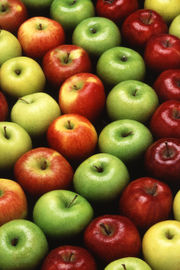
In the News: Pick Apples for Good Neurological Health, Says New Research

Newswise — For those who think that picking and eating apples this time of year is just for fun and for the great taste of America’s favorite fruit, you may want to think again. Apples and apple juice may be among the best foods that anyone could add to their diet, finds a collection of recent research studies, the latest of which was presented today at the Society of Neuroscience annual conference in Atlanta. Researchers G. Bureau and M. Martinoli from the University of Quebec a Trois-Rivieres, found that quercetin (one of the antioxidants found abundantly in apples) was one of two compounds that helped to reduce cellular death that is caused by oxidation and inflammation of neurons. An abstract of their presentation can be found at http://tinyurl.com/wdu4h.

This finding was previously confirmed not just by testing quercetin by itself, but by using apples as a whole food. Published in the May 2006 issue of Experimental Biology and Medicine, researcher Eric Gershwin, M.D., with the University of California, Davis Health System, discovered a way in which flavonoid-rich apples and apple juice protect cells from damage. Gershwin exposed human cells to an extract of apple mash made from different apple varieties, similar to outcomes presented today at the Society of Neuroscience meeting. The UC Davis researchers then challenged these cells by exposing them to tumor necrosis factor (TNF), a protein-like compound found in the body that usually triggers cell death and promotes inflammation via a mechanism called the “nuclear factor kappa B pathway” (this pathway involves chemical signaling between cells). The UC Davis research revealed that apple extract protected the cells from the normally lethal effects of TNF by interfering with this pathway that would otherwise damage or kill cells in the body. Gershwin noted that the method by which apple extract protects cells is different than that reported for other flavonoid-rich foods.

Other more recent research demonstrated how apples and apple juice can help boost neurological health, specifically in the brain. The latest study from the University of Massachusetts Lowell (UML), published in the August 2006 Journal of Alzheimer’s Disease, indicates that apple juice consumption may actually increase the production in the brain of the essential neurotransmitter acetylcholine, resulting in improved memory among mice who have Alzheimer’s-like symptoms.

Neurotransmitters such as acetylcholine are chemicals released from nerve cells that transmit messages to other nerve cells. Such communication between nerve cells is vital for overall good health, not just in the brain. In addition to finding the improved levels of acetylcholine in their brains, “it was surprising how the animals on the apple-enhanced diets actually did a superior job on the maze tests than those not on the apple-supplemented diet,” remarks Dr. Thomas Shea, who led the research.

Shea, who is the director of the UML Center for Cellular Neurobiology and Neurodegeneration, published yet another study in the December 2005 Journal of Alzheimer’s Disease in which older mice (not mice with Alzheimer’s like conditions) performed significantly better on memory tests than did animals whose diet was not enriched with apple products. Both of these studies, along with similar study published by Shea in the February 2004 issue of Journal of Nutrition, Health and Aging strongly suggests that apples must possess a unique mix of antioxidants that improve cognition and memory via inhibition of oxidation in the brain.

Both the UC Davis and UML studies were funded by unrestricted grants provided by the U.S. Apple Association and Apple Products Research and Education Council.

Photo credit: Wikipedia

Wednesday, October 18, 2006

In the News: Iceland to Resume Whaling

Iceland announced Tuesday that it would resume commercial whaling after a two-decade moratorium, defying a worldwide ban on hunting whales for their meat.

Fisheries Minister Einar Kristinn Gudfinnsson told Iceland's parliament that his ministry would begin issuing licenses to whaling ships to hunt fin and minke whales. He said the ministry would permit the hunting of nine fin whales and 30 minke whales in the year ending Aug. 31, 2007.
The government said licenses could be issued as soon as Wednesday, and that whaling ships could resume commercial whaling as early as this week.

Click here for the full story.

Tuesday, October 17, 2006

Halloween Food Traditions

As immigration to the United States began, individuals from the British Isles found the Appalachian Mountains immensely appealing. The rolling, mist shrouded green hills reminded them of home. As Celtic transplants created new lives in these mountains, they retained much of their folklore from the Mother land. And some of what was once traditional Celtic celebrations became enmeshed in American culture, including Halloween.

Because the Celts were semi-nomadic herdsmen and agriculturists, their holy days revolved around the changing seasons. Their most sacred holiday was Samhain on October 31. This day marked the beginning of winter, the final harvest and the time when herds were brought in to shelter from the fields. This day was considered the beginning of a new year.

By the 400 C.E., Christianity was declared the legal religion and mass conversions took place. The church adopted November 1 as All Saints Day, and October 31 as All Hallows Eve, which later was shortened to Halloween. Though people slowly converted, many of the old traditions stuck and came along to America.

For instance, the jack-o-lantern became part of the Halloween celebration compliments of the Celts. In Celtic lands, all hearth fires were extinguished and a new one kindled from the Samhain communal bonfire. Each family would carry home a coal in a hollowed out turnip. Sometimes a frightening face was carved into the turnip to scare away the marauding spirits out on that night. When the Irish immigrants arrived in America, they delighted in the size and carving potential of the native pumpkin. The fat, orange harvest vegetable was quickly substituted for the turnip.

Telling fortunes has always been a fun part of the holiday. The most popular old-world divinations for young women made use of apples. An apple was peeled in one, long paring, and then thrown over the shoulder. The peeling supposedly would land in the shape of the initial of the man the young woman would marry. Another tool used to find one’s husband entailed sticking apple seeds on girls’ cheeks, each one named for a beau. The one that stuck the longest symbolized the suitor she would marry.

And what’s Halloween without trick-or-treating? Trick-or-Treating may have had several ways of entering into popular culture. One possibility came from British Isles. During Samhain in the Old Country, the Celts hid from mischievous spirits by costuming themselves in ghoulish disguises so that wandering spirits would mistake them for one of their own and pass by without incident. Sometimes they formed parade, leading out of the village, in hopes of tricking the spirits to follow them away from their homes. In some parts of the British Isles, soul cakes were baked and staked by the door of the home. The town’s poor came begging, offering prayers for the dead in return for a soul cake. In Christian times, Church parishioners were urged to dress up as saints, angels and devils for church processions on October 31. The tradition slowly caught on and contemporary trick-or-treating as we know it grew popular during 1920-1950.

Photo credit: Burpee Seeds

Friday, October 13, 2006

Vegan Halloween Candy List

Halloween is almost upon us and store shelves are overflowing with candy selections to treat the little goblins who will come knocking on your doors later this month.

If you want to appease them in an animal-friendly way, take a look at this partial list of vegan candies before you shop. You may even find something on the list that you'd like to munch on yourself!

  • Airheads taffy
  • Blow Pops
  • Brach’s Cinnamon Hard Candy
  • Charms lollipops
  • Chick-o-Sticks
  • Cracker Jack
  • Cry Babies
  • Dem Bones
  • Dots
  • Dum-Dums
  • Fireballs
  • Hubba Bubba bubblegum
  • Jolly Ranchers (lollipops and hard candy)
  • Jujubees
  • Jujyfruits
  • Lemonheads
  • Mary Janes (regular and peanut butter kisses)
  • Now and Later
  • Pez
  • Ring Pop lollipops
  • Smarties (U.S. Brand)
  • Sour Patch Kids
  • Starburst (jelly beans and hard candy)
  • Super Bubble
  • Sweet Tarts
  • Tropical Source mini chocolate bags
  • Twizzlers
  • Zotz

Wednesday, October 11, 2006

Veggie Hero: Erin Pavlina

Erin Pavlina has been helping families make healthy food choices for seven years as founder and editor of VegFamily.com, an online magazine for vegan family living. This site is chock full of information on raising vegan children, including literally thousands of articles and reviews. It's a wonderful resource! Erin is also the author of "Raising Vegan Children in a Non-Vegan World" and "Vegan Family Favorites." She has served as an expert on vegan lifestyles at on vegan lifestyles at Mothering.com (Mothering magazine). Erin and her family live in Las Vegas.

Vegetarian or vegan?
Vegan

How long have you been veg*n?
My husband and I went vegan together on January 19, 1997, so about 9 years now.

What inspired you to go veg?
Initially for health reasons because everyone in my extended family was having early heart attacks due to high cholesterol. After I went vegan and learned about the atrocities committed against the animals, then I was a vegan for ethical reasons as well.

What's your best story of trying to find veg food?
Whenever my husband and I travel I spend tons of time on the internet at Happy Cow and VegDining.com planning meticulously where we are going to eat in every city we go to. Then I call the restaurants to make sure they are still in business and confirm their hours and location. When I make out our itinerary these restaurants are always included on the list. I print out maps to and from our hotel to the restaurant or health food store, and okay, sometimes I even make of note of what I intend to order for each meal. Is that OCD?

How do you handle family holiday dinners?
We don't live near my family anymore so now we make glorious holiday feasts at home and share with vegan friends. But when we lived in Los Angeles and went to holidays with my extended family, I would just make tons of delicious vegan food and bring it. I must say that my vegan pumpkin pie is always the first pie to be eaten by everyone at Thanksgiving. Only after it's gone do people trudge on over to the other non-vegan pies that people have brought. People also go crazy for my cheese potato casserole: potatoes, vegan sour cream, vegan cheddar, veg bacon bits, green onions, and yum! Resistance is futile.

What's your favorite veg food?
I love strawberries and also sweet potatoes. But if we're going for like a specific vegan food, it would have to be vegan ice cream, particularly the Purely Decadent So Delicious products. Those are coming with me to the desert island if I should ever find myself there.

Do you have a favorite veg book?
"Diet for a New America" and "Mad Cowboy" are my two favorites. They pretty much say it all.

Tofu or tempeh?
Tough one. At home, tofu. When I'm at a vegan restaurant, definitely tempeh. Have you had the Moby Dick sandwich from Native Foods? 'Nuff said.

What did you have for breakfast today?
Tempeh salad sandwich on whole grain toast, and a banana. Wait, that sort of contradicts what I said about tofu at home. But the tempeh salad was store bought so I think that counts.

Tuesday, October 10, 2006

Product Review: Whirley-Pop Stovetop Popcorn Popper

As the autumn nights cool off here in the Appalachians, my nighttime snacking thoughts turn to popcorn. I love cooking and can successfully tackle just about any kitchen project except stovetop popcorn. For some reason, I can never get it right -- the popcorn turns out burned or underpopped with lots of "old maids" left in the bottom of the pot. But no more! The Whirley-Pop Stovetop Popcorn Popper is my popping salvation. Thanks to it, I make great popcorn every time.

This neat, old-fashion popper has a clip-on lid with a stay-cool wooden handle. A turn crank on the handle spins the key element: the stainless steel stirring system that keeps the corn moving across the bottom of the pan, for even heat and oil distribution, ensuring the best popping results. The lid has steam vents, to help keep the popcorn dry and crisp.

The results are wonderful -- especially if you use organic oil and popcorn. Top with some organic melted butter and sea salt and you'll be ready to munch happily away while snuggle under a blanket watching videos with your sweetie or pets.

And kettle corn? Don't even get me started! The Whirley-Pop comes with a little recipe book for kettle corn and other wonderous treat that will have you popping all winter long.

Friday, September 29, 2006

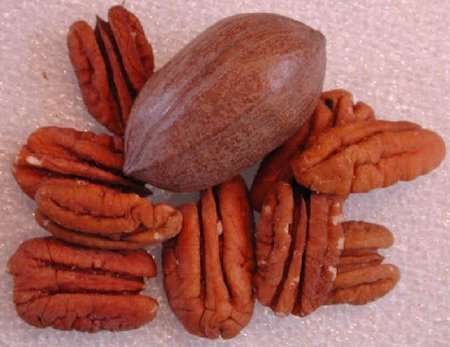
In the News: Pecans

I love all kinds of nuts and use them a lot in my cooking and baking. Beyond their great taste, nuts are a wildly healthy food. This week, pecans are in the spotlight.

A new research study release this week from Loma Linda University (LLU) shows that adding just a handful of pecans to your diet each day may inhibit unwanted oxidation of blood lipids, thus helping reduce the risk of heart disease. Researchers suggest that this positive effect was in part due to pecans’ high content of vitamin E. In fact, pecans contain several different forms of vitamin E.

Oxidation of fats in the blood – a process akin to rusting – is detrimental to health. When “bad” cholesterol becomes oxidized, it is more likely to build up and result in arteriosclerosis.

This is good news. So go nuts!

Wednesday, September 27, 2006

Veggie Hero: Isa Moskowitz

In the '80s and '90s I got my punk on, so it's no wonder that I picked Post Punk Kitchen founder Isa Moskowitz as this week's Veggie Hero. Isa is the author of the popular cookbook, "Vegan with a Vengence," and her second book, "Vegan Cupcakes Take Over the World," is due out later this year. A native of Brooklyn, Isa and crew produce the Post Punk Kitchen vegetarian cooking show, which airs in Manhattan via the public access channel Manhattan Neighborhood Network. She's inspired countless readers and viewers to rock out in the kitchen. Right on, girl!

Vegetarian or vegan?
Vegan.

How long have you been veg*n?
Vegetarian for 16 years, vegan for I don't know.

What inspired you to go veg?
My first inspiration was probably my love for my cat and subsequently my love for all animals. The second thing was probably Morrissey. What sealed the deal was meeting lots of really awesome vegetarians that made it seem fun and easy.

What's your best story of trying to find veg food?
I've never really had a problem finding vegetarian or vegan food. That doesn't make a very good story, I know but vegetables and legumes and rice are available pretty much anywhere. If I'm at some sort of function where I know there won't be anything I can eat I'll bring my own food but honestly if you ask nicely most people and places will accommodate your diet. I can't even remember the last time I had a problem with that. My favorite story though, is when I was a teenager one of my vegan friends went to a bar mitvah where there was nothing for him to eat so he ate the flowers from the table centerpieces just to prove a point. But I'm not recommending that.

How do you handle family holiday dinners?
Again, I don't really look at it as handling. I cook lots of food and everyone enjoys it. I think it's every vegan's duty to learn how to cook, and to cook well. But if someone else insists on doing all the cooking and they know that I am vegan then they will make something vegan for me. If they weren't planning on doing that then I most likely wouldn't attend. Who wants to spend the holidays with people that aren't willing to roast some veggies and boil some rice for you? I'd rather be home alone with my cat. With the advent of the internet it's easy enough to send them some dessert recipes that I'll enjoy, or they can just make something from one of my books.

What's your favorite veg food?
I guess autumn is my favorite time of year because you can't beat a warm fragrant soup with winter squash and a nice hunk of freshly baked bread as you sit around in your comfiest sweatshirt and fat pants.

Do you have a favorite veg book?
For fiction, I enjoyed the "Ethical Assassin" by David Liss. It's about an encyclopedia salesman in the '80s who gets caught up in the affairs of a vegan assassin. For animal rights, Peter Singer's "Animal Liberation" will always will hold the key to my heart. I read it when I first went vegetarian and it gave me a valuable ethical stance. It wasn't just a bunch of statistics and numbers that I'm likely to forget, but more a way of thinking that I still stick to today. And going even further back I think that the Frog and Toad books that I read as a child were a prelude to vegetarianism for me. In any case, the world would be a much better place if we were all as awesome as Frog and Toad.

Tofu or tempeh?
Why do I have to choose? Both! And grilled! Not together though.

What did you have for breakfast today?
I made big soft pretzels yesterday so I ate one this morning. And I think I had a banana. I'm answering this on a Monday though, if you asked me on Sunday the answer would have been scrambled tofu and challah fronch toast with bananas. The challah was homemade of course. Yums.

Tuesday, September 26, 2006

A Poem in Tribute to My Mother and Grandmother


A Name for Herself

The page is yellow and faded now
But the smiling faces are still clear
It is a moment captured in time
A Fleischmann’s Yeast ad -- featuring my grandmother with her young daughter
Singing praises for the 11 blue ribbons she won at the fair
It was an opportunity for this country woman to make a name for herself
But those city men called her “Mrs. George McInturf” and my mother “Peggy Jane”
(Even though their names were Dorothy Estella and Peggy Jan)
Those who read the ads never knew
Just two nameless faces promoting a product
Just two nameless women baking biscuits in the hills

Saturday, September 23, 2006

Apple Butter

I made apple butter this weekend, and it got me thinking about that amazing fruit.

Brought to the Appalachians by English settlers, apples have sustained generations of mountaineers. This nutritious fruit became such a popular and important dietary staple that most families had at least one tree growing on their homestead.

Mountaineers valued the apple for its versatility. It could be successfully stored throughout the winter, providing fresh food through the long, dark months. The apple could also be prepared in numerous ways, including being cooked into apple butter, baked apples, apple crisp, fried apples, applesauce, apple fritters, apple dumplings and of course, apple pie. They could also be dried or pressed into cider for even longer preservation.

In the early years of our country, growers produced nearly 800 varieties of their beloved apples. Now, only 10-30 varieties are commonly grown. Fortunately, Western North Carolina remains a large apple producer and has farmers who are preserving heirloom varieties with names like American Beauty, Arkansas Black, Buncombe and Carolina Pippin.

Most apples ripen between August and November, so this fruit has long been associated with fall. Down through the years, apples have taken center stage in fall gatherings in the mountains. Families and neighbors gathered to press cider, slice and peel apples for drying or to stir big batches of apple butter over an outside fire.

Apple butter making steals my heart. The wonderful aroma of cooking apples mingled with wood smoke in the cold air seems to me to be the very epitome of not only the season but also of our tradition. However, when I was growing up my mother made small batches of apple butter in the crockpot. When I got home from school the whole house smelled wonderful and I could hardly wait until suppertime to spoon the dark sauce over homemade bread.

Actually, apple butter is a great place to start cooking with apples. If you have a crockpot (or can borrow one) and can slice an apple, you can make apple butter. Why not try it this fall and cook up some of your memories?

Apple Butter

This is my adaptation on traditional apple butter. Look for heirloom cooking apples at your local farmer’s market to use in this recipe.

12 medium cooking apples
1 ½ cups milled cane sugar
½ cup apple cider
1 tablespoon ground cinnamon
½ tablespoon lemon juice
1 teaspoon ground ginger
1 teaspoon ground nutmeg
½ teaspoon ground clove
¼ teaspoon vanilla
pinch of sea salt

1. Peel, core and cut apples into chunks.

2. Mix all ingredients in a crockpot slow cooker.

3. Cover and cook on high setting for 4-5 hours on high setting or for 8-10 hours on low setting or until apples are very tender.

4. Mash apples with hand masher.

5. Cook uncovered on high setting for 1-2 hours, stirring occasionally, until mixture is very thick and most liquid has cooked off. Cool.

6. Spoon apple butter into containers. Cover and store in refrigerator up to 3 weeks or freeze for up to 3 months.

Wednesday, September 20, 2006

Veggie Hero: Cathy Evans

The most inspiring Veggie Heroes are those who work tirelessly as advocates in our local communities. They don't get their names up in lights or splashed across book covers; many are hardly ever recognized at all. And yet, their work is perhaps the most important. They teach vegetarian cooking classes, write letters to the editors, or rescue animals all out of compassion. One of my personal Veggie Heroes falls into this category.

Cathy Evans works diligently for the Campus Cat Coalition of the College of Charleston in South Carolina. This grass roots group rescues urban cats and has them spayed or neutered, vaccinated, injected with a flea preventative, tested for feline diseases, dewormed and tagged. The cats are then released back on to the urban campus. Every day volunteers provide food, water and affection. Countless cats have been saved by this wonderful program due in no small part by the efforts of today's Veggie Hero. (If you'd like to learn more or find out how you can help, see the information below the interview. )

Vegetarian or vegan?
I call myself 99% vegan. I eat scallops about once a year -- they seem like an in-between life-form to me and I haven't fully resolved this yet. I welcome input.

How long have you been veg*n?
Vegetarian since the early 1970s; 99% vegan since 1996.

What inspired you to go veg?
I actually had a serious moral reaction against eating meat when I was a very young child - about two or three. I went fishing with my father and witnessed him catching fish on hooks by their mouths and later skinning them alive. I was traumatized by this and refused to eat fish the whole time I was growing up. When I was four or five, I discovered that "meat" meant dead animals. I was horrified and told my mother I didn't want to eat meat any more. She said she respected that and wouldn't make me eat it. Although I did go back to eating meat, I had periodic revulsions towards it and sometimes wouldn't eat it. In my teen years, my parents raised a few male cattle which they had slaughtered for meat. Again, I was horrified, repelled and refused to eat it. Luckily, my parents also raised a large organic garden and we had a large fruit orchard. My mom canned and froze vegetables which we ate all year; and she made grape juice from our arbor -- so I ate well and healthily. When I was 20, I started experimenting with vegetarianism, and within a couple of years that had stabilized into a lifestyle. This choice was powerfully reinforced a few years later in 1975 when I read philosopher Peter Singer's Animal Liberation.

What's your best story of trying to find veg food?
I typically have been very fortunate in finding great vegetarian food. I often say I have been blessed with good food karma. However, I had a very difficult time when my husband Lee and I went to South Dakota. I remember being in a restaurant for breakfast where I the only viable choice for me on the menu was white toast. I asked if they served grits and no one knew what I was talking about.

How do you handle family holiday dinners?
I simply avoid situations where there is likely to be contention or a conflict. However, I find that most hosts are very accommodating. That said, I generally avoid Thanksgivings unless they are vegetarian celebrations. The popular name for this holiday is "Turkey Day" and I always think of all the turkeys that are raised for slaughter just so people can eat them on this particular day of the year. I am monumentally turned off by this. In fact, I turn off in general to Thanksgiving holiday since it has much more to do with gluttony than with the celebration of people sharing multicultural differences. I have often found myself fasting on that day -- and if left entirely to my own devices, I'm pretty sure I would do that every year. I guess that sounds rather bah-humbug, but I don't think of it that way. I just like to let my body and my subconscious mind lead me, and that's where I seem to be led in relationship to Thanksgiving. I think it's an impulse towards compensation for a cultural imbalance.

What's your favorite veg food?
That's hard to answer, since I love almost all vegan food. I find it ironic that non-vegetarians think I probably have a very narrow diet. Actually, I eat a much wider variety of food than the average person who lives on fast foods, junk foods, and convenience foods. My mom tells me that when I was an infant, my first food choice was baby spinach. In fact, I ate it as a treat even into my teen years! I could not live without an abundant supply of green vegetables, fruits, raw nuts, grains, soy milk -- the whole gamut, organic if possible. I find that my food preferences shift seasonally.

Do you have a favorite veg book?
I cook from inspiration, so I generally don't follow cookbooks. There are about a billion great vegetarian cookbooks, though.

Tofu or tempeh?
I love both -- but I especially love tempeh.

What did you have for breakfast today?
Before I left the house this morning I had a cup of organic black tea and organic echinacea-plus tea, with agave nectar and soymilk. I always take my breakfast to work with me and eat about 10:00 a.m. This morning it was a banana with soy yogurt and raw organic walnuts, plus Ezekiel sesame toast with Earth Balance margarine. But usually I have a lot more fruit on hand. Yesterday I had the soy yogurt with bananas, pineapple, blueberries and grapes. I generally sprinkle soy lecithin into my yogurt along with fruit, nuts, and granola or muesli. Dee-licious!

Campus Cat Coalition of the College of Charleston

Cathy Evans, a longtime animal lover and vegetarian, founded the Campus Cat Coalition of the College of Charleston in Charleston, South Carolina in February 2004. Like many cities, Charleston has been experiencing a growing urban feline population. These cats often live an unfortunate life -- underfed, overbred and diseased. The Campus Cat Coalition seeks to curb the population and provide a better life for these cats. They catch them with a live-trap and have them spayed or neutered, vaccinated, injected with flea preventative, tested for feline diseases, dewormed and tagged. The cats are then released back onto campus. Each day the volunteer group provides food, water and affection. Flea treatments are maintained once per month.

Countless cats' lives have been changed for the better... but all this work takes money. While support on campus is high, funds still run short each year. The Campus Cat Coalition has launched a fund drive through October 14 and you can help!

In addition to being an animal lover, Cathy is also a very talented artist. She designed the Goth Girl t-shirt pictured above. This original art has been printed on black, sweatshop-free, organic cotton t-shirts and are available by mail for $26 (shipping included). To place an order, e-mail Cathy at: evansc@cofc.edu. To simply make a donation of any amount, please send your check to: Cathy Evans, 3726 Humbert Road, Johns Island, SC 29455.

On behalf of the cats, thank you.

Monday, September 18, 2006

Mulled Cider

In my family, September marked the beginning of the apple harvest. After days of picking, my Grampy (that's him in the photo) usually took some his apples to the local cider mill to be pressed. Mostly, his bushel upon bushel of Yellow Delicious apples were sold or stored for eating through the winter, but he also always made a bit of cider. Once when I was young, I accompanied him to the mill.

It was one of those magical autumn mornings when the air was brisk but the sun was warm. I recall the camaraderie of the farmers as they greeted each other and cued up to have their apples pressed. As usual, Grampy was joking with the neighbors and teasing me. I remember bees buzzing about, drawn in by the rich fermenting apple smell from the piles of pulp. Mostly I remember the golden amber juice spilling from the press into gallon jugs. Oh and that taste! Nothing in the world tastes quite as lovely as freshly pressed cider.

Grampy’s cider went straight into the refrigerator in his garage, which is where the bushels of apples were stored. The whole place smelled like an orchard – even in the depths of winter. And as the winter months marched on, that cider was changing. It fermented and bubbled and turned into hard cider. By spring, some of the cider had turned from hard cider into cider vinegar. We used that tangy vinegar for salad dressings and for making pickles during the summer months.

As summer began fading into early fall, the cycle was complete and it was time to begin picking apples once again.

Mulled Cider

As the September nights lengthen and turn cooler, mulled cider is a festive treat to welcome autumn. Use fresh, local cider if possible.

1 gallon cider
1 orange, sliced into rounds
2 cinnamon sticks
1 whole nutmeg, broken into large pieces
2 teaspoons whole all-spice
2 teaspoons star anise
1 teaspoon whole clove

1. Place all ingredients in a large stockpot and cover.

2. Warm slowly over medium heat until steaming and hot.

3. Keeping covered, reduce heat to low and serve hot.

Friday, September 15, 2006

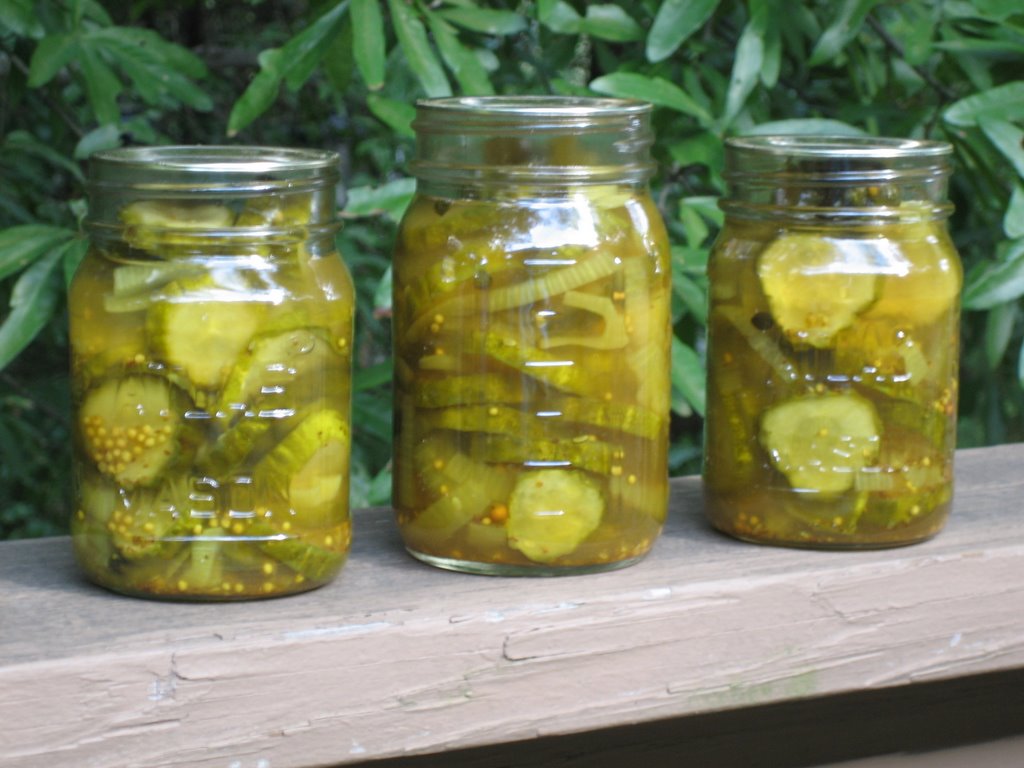
Bread-and-Butter Pickles

To celebrate the last gasp of summer, make some pickles! Pickles are surprisingly easy to make and taste wonderful! This recipe does take awhile -- most of the time is just waiting -- so start it when you'll be home for a length of time. Slow down and enjoy the process... and the result!

2 pounds Kirby cucumbers
1 medium white onion
1 cup ice cubes
2 tablespoons, course sea salt
2 cups cider vinegar
1 ½ cup milled cane sugar
¾ teaspoon mustard seeds
½ teaspoon celery seeds
½ teaspoon peppercorns
¼ teaspoon ground turmeric

1. Scrub cucumbers, trim ends and slice into ¼ inch thick slices. Peel onion and trim ends. Cut in half from top to bottom. Slice each half into ¼ inch thick slices.

2. In a large bowl, combine cucumbers, onion, ice cubes and sea salt. Toss to combine. Let stand for 3 hours.

3. Drain. Rinse well and drain again.

4. In a large stockpot, combine vinegar, sugar, mustard seeds, celery seeds, peppercorns and turmeric. Bring to a boil. Add cucumber mixture and return to a boil and cook 1 minute. Stir occasionally.

5. Ladle pickles into clean jars. Let stand until cool. Cover and store refrigerated for up to 1 month or process in a water bath canner.

Tuesday, September 12, 2006

Veggie Hero: Beverly Lynn Bennett

Chef Beverly Lynn Bennett is a Veggie Hero extraordinaire! She is the author of the extensive vegan recipe site, The Vegan Chef, writes the popular "Dairy-Free Desserts" column for VegNews Magazine. Moreover, Beverly and her husband Ray wrote the essential "The Complete Idiot's Guide to Vegan Living." Released last year, the book's 384 pages are jam-packed with all kinds of useful info relating to many aspects of vegan life, including 50 super recipes.

Vegetarian or vegan?
Vegan

How long have you been veg*n?
I've been vegan for the last 17-18 years but started transitioning from a meat-based diet to being vegetarian nearly 23 years ago.

What inspired you to go veg?
There were many reasons. I first learned about eating vegetarian when I was 16 from a coach; I was wanting to lose a few pounds because I was a synchronized swimmer and constantly battling with my weight. She gave me some advice on how to eat better and suggested I try eating vegetarian. Even though I was a teenager and got little support from friends or family, I did manage to stick with it for quite a while. But it was my love of animals and learning about the abuses that they have to endure at human hands that really opened my eyes and helped me take steps toward living a compassionate vegan lifestyle. I thank my husband Ray for his positive influence and all of the great books that I have read to further educate and enlighten myself.

What's your best story of trying to find veg food?
Well finding good veggie food can be tricky no matter where you go, which is why I usually pack along some of my own food to ensure I get something nutritious to eat wherever I go. But once, in Jackson Hole, Wyoming, a town where antlers are proudly displayed in arches in the center of town, I wasn't quite as prepared as I should have been. I ordered a simple black bean dish, or so I thought. I told the waitress that I was vegan and then went into the usual explanation about what I can and can not eat. I was very specific about my order, and she repeated it back to me. The first time my food arrived, it was covered with cheese and sour cream, so I sent it back. The second time, no sour cream or cheese on top, but there appeared to be some inside; it was then that I realized that they had just scraped off the dairy and re-sauced my plate. Back it went. When my plate appeared for the third time, it came out looking fine, no cheese or sour cream, but as I quickly noticed little pieces of steak mixed in among the black beans. When I asked the waitress about it, she stated that they always cook the beans with meat. What? Why didn't she say so in the beginning when I mentioned that I don't eat any meat or dairy? Even my carnivorous family shook their heads in amazement.

How do you handle family holiday dinners?
I find the best way to handle family meals and gatherings is to bring my own food. Depending on the event, it may be a side-dish or a hearty salad, and I usually like to bring a dessert as well. Bringing your own food ensures that you can eat just like everyone else and it usually makes it easier for the host as well. Even if they do make something that is vegan, you can share what you brought and show others how delicious and "not so weird" eating vegan can really be. Bringing a dessert with "wow appeal" can also open minds while filling their stomachs, which I am really into doing. It can be a great way to inspire others to make more plant-based food choices.

What's your favorite veg food?
Without a doubt it would have to be wraps. I really love eating anything rolled up in a tortilla. Take some leftover beans, noodles, grains, add in some veggies, a little lettuce or greens, some dressing or spread, roll it up in a warm tortilla, and you have an instant hearty meal with endless possibilities. But my favorite combination is made by layering some baby greens and lettuces, shredded carrots, beets, yams, zucchini, cucumber slices, and sprouts with either some creamy tahini-based dressing, hummus, or a horseradish and white bean spread. I particularly like whole-grain tortillas, especially the sprouted ones by Ezekiel, but be sure to warm them first for easy rolling. You can also skip the tortilla and roll the ingredients up into a large lettuce or cabbage leaf for a wrap with crunch or a raw taco kind of a thing.

Do you have a favorite veg book?
I have many, my husband and I both love to read, and between the two of us have acquired quite a little veg library. Some of the books that have influenced me a lot as a veggie would be "Diet for a New America" and "The Food Revolution" by John Robbins, "The Sexual Politics of Meat" by Carol J. Adams, and many of the books by Jo Stepaniak, Bryanna Clark Grogan, and Nava Atlas.

Tofu or tempeh?
Tough one. I'm split, I really love using them both in my cooking and baking. Tempeh would be my first choice for an entree or sandwich as I really like the earthy, mushroom-like flavor, but definitely tofu for my dessert. Nothing like a creamy tofu cheesecake, or whipped topping on a piece of cake or pie, or a bowl of cool and creamy non-dairy ice cream to finish off a meal of a savory tempeh stroganoff or stir-fry.

What did you have for breakfast today?
I usually try to eat some kind of fruit for breakfast, whatever is seasonal, fresh, and on hand. Or I'll make a smoothie if I want an extra kick-start for the day. Today, I had a couple of fresh peaches, which I followed up a little later with a bowl of oatmeal with flax seeds and cinnamon. May sound a little boring, but I usually like to eat something with whole grains early in the day, whether it be toast, oatmeal, or cereal, as it gives me lots of energy to start off the day.

Monday, September 11, 2006

Restaurant Review: Candle Cafe

As promised, here's my first report from dining in New York earlier this month.

My first veggie meal in the Big Apple was at the world famous Candle Cafe, 1307 Third Avenue at 75th Street. I was super stoked to dine at this renowned restaurant, but I must say that I was pretty disappointed.

Upon entering, I was suprised at how small the restaurant was. I know space is a premium in the City, but the spot was quite tiny for such a popular restaurant. I was literally rubbing elbows with those dining next to me.

Nevertheless, I scanned the menu eager to try something exotic -- something I couldn't or wouldn't make at home. Most of the offerings didn't really fit that bill. I chose a cuban seitan sandwich with spicy vegan aioli, the most unusual thing I could find to choose. The sandwich was large and filling but nothing truly special. The aioli, however, was fantastic. I wanted to take some home! The coleslaw on the side was bland and limp. None too appetizing.

Finally it was time for dessert. I ordered chocolate cake but was sad to find it incredibly dry and flavorless. In fact, one of my dinner companions who ordered the same thing didn't even finish it.

All in all, Candle Cafe was a let down. Maybe I had hyped it too much in my head? Maybe eating at home and cooking our own fantastic food is tastier and more nourishing (and cheaper) on every level! So, here's to great veg home cooking!

Wednesday, September 06, 2006

Veggie Hero: Howard Lyman

Howard F. Lyman is one truly special Veggie Hero!

Howard is a 4th generation family farmer from Montana. Like most, he farmed in conventional ways -- using chemicals and intensive animal farming methods. But in 1979, a tumor on his spinal cord caused Howard to reconsider his career. After 20 years of operating a feed lot, he sold his ranch and started working for farmers in financial trouble. He was a lobbyist in Washington, and ran for Congress in 1982.

In the 1989, Howard began to investigate Mad Cow Disease, which was just becoming an issue in Great Britan. He became a vegan and outspoken activist. In 1996, he appeared on the Oprah Winfrey Show and was given a chance to tell the world about Mad Cow Disease. His remarks led to Oprah renouncing hamburgers on national television. The National Cattleman's Beef Association sued Howard and Oprah for defimation but both were found not guilty.

Howard is the is the author of "Mad Cowboy" and "No More Bull!" and is president of Voice for a Viable Futre. He travels over 100,000 miles every year as a speaker and lecturer. A major Hollywood movie about his life is in the works. Howard lives in Alexandria, Virginia, with his wife Willow Jeane and his cat Ceasar. He humbles us all with his presence as one of the ultimate Vegge Heroes.

Vegetarian or vegan?
Vegan

How long have you been veg*n?
Veg 16 years. Vegan 15 years

What inspired you to go veg?
It started with my health and today it is the animals.

What's your best story of trying to find veg food?
The Big Texas Steak House in Amarillo TX. Great vegan meal.

How do you handle family holiday dinners?
About half of the family today are veg friendly so it is no problem.

What's your favorite veg food?
Mexican

Do you have a favorite veg book?
"Becoming Vegan"

Tofu or tempeh?
Tempeh

What did you have for breakfast today?
Banana, strawberries, blueberries, apples, walnuts, flax seed and oatmeal with almond milk.

Thursday, August 31, 2006

The Big Apple

I'm off to New York City for a few days... but check back next week. You won't believe who our next Veggie Hero is, plus we'll have an exclusive report from the Human Society of the United States' conference "Taking Action for Animals" and my tales of veggie dining in the big apple!